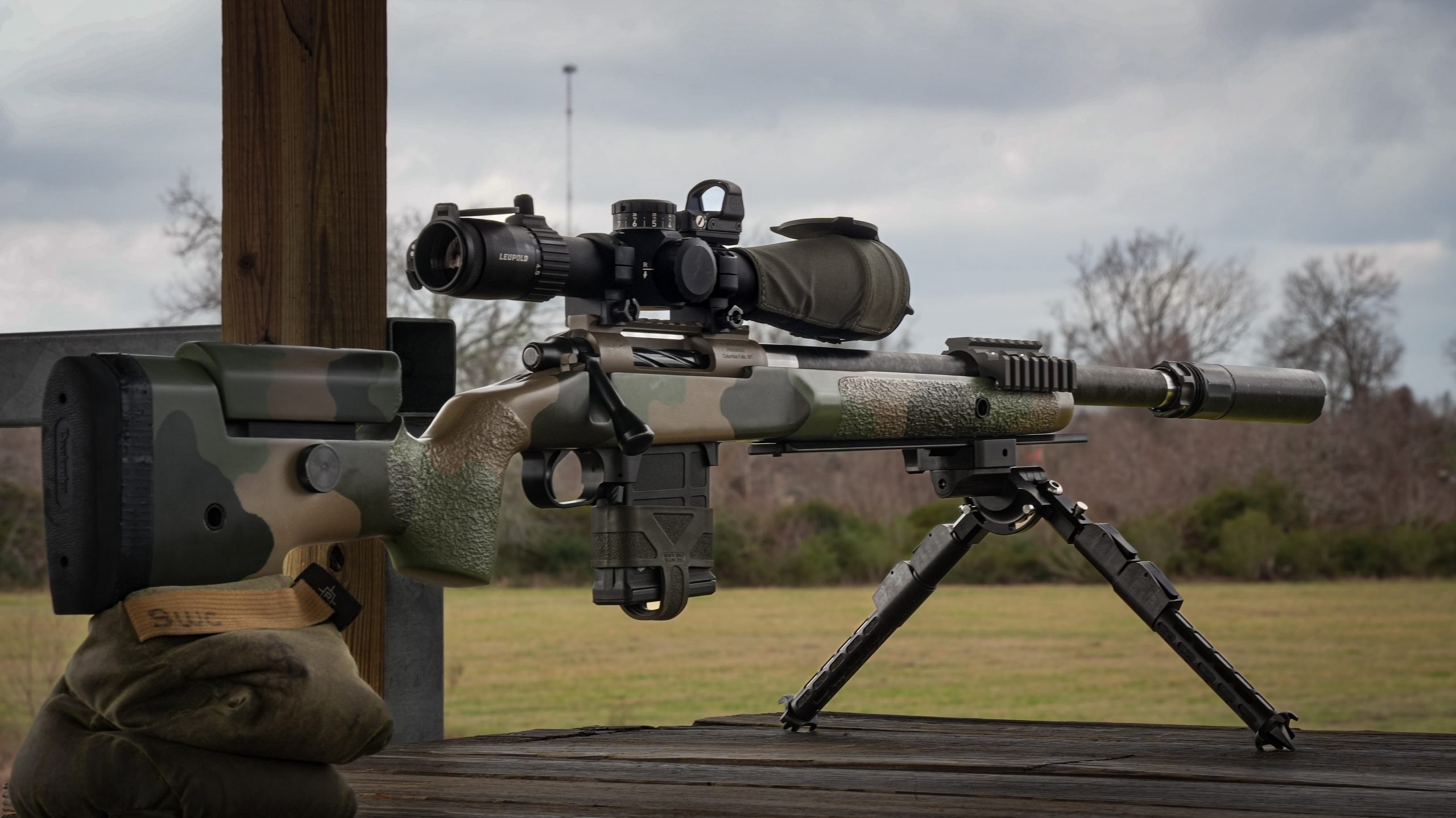
Grant Wonders has chambered and built over 800 precision rifles. As Defiance’s Quality Assurance Manager, he’s also the guy who gets the call when something’s not right, and the guy who worked hand in hand with R&D to design a control round feed system built specifically for dangerous game hunting.
So when he tells you where a custom rifle build goes wrong, it’s not theory. It’s two decades of watching builds succeed and fail, one action at a time.
Here’s where he says to start.
Where Do I Start When Building a Custom Precision Rifle? Defining Your Build’s Purpose
Determine Your Purpose
Every custom precision rifle is a collection of choices. The components that make one rifle exceptional for competition can make it frustrating to carry on an all-day mountain hunt. Likewise, a lightweight hunting rifle may be ideal for covering miles of rugged terrain but impossible to spot hits during extended target sessions.
Which means the first question you need to answer is:
What is this rifle primarily being built to accomplish?
That single answer should guide every decision that follows.
There Is No Perfect Precision Rifle
It’s easy to fall into the trap of building a rifle that can “do everything.”
You might think, “I’d like to hunt with it, shoot competition matches occasionally, practice at the range, and maybe compete in long-range steel.”
While that sounds reasonable, the reality is that every design decision favors one application at the expense of another.
Start With the End Goal
Rather than asking, “What’s the best action?”
Ask, “What’s the best action for the way I’ll actually use this rifle?”
The same applies to every component.
Instead of searching for the best action, trigger, stock, or cartridge, determine which option best supports your intended use. For example: a heavier barrel increases consistency during long strings of fire but adds significant weight for hunting; a lightweight carbon stock is comfortable to carry but often sacrifices the stability many competitors prefer; or a high-magnification optic excels at long-range target shooting but may be slower to acquire game in changing field conditions. None of these choices are wrong, they simply serve different purposes. Once you establish the rifle’s primary role, many decisions become much easier because they can be evaluated against a specific objective instead of personal preference or marketing claims.
Primary Precision Rifle Applications
Although every shooter has unique goals, most custom rifle builds fall into one of several categories.

- Competition Rifles – prioritize consistency. Competition rifles prioritize consistency over long shooting sessions. These rifles are typically heavier to reduce recoil and help shooters spot their own strikes. Adjustable stock systems allow for a precise fit, and barrels are often selected for maximum accuracy rather than portability. If the rifle only travels from your vehicle to the firing line, overall weight becomes much less important than stability.
- Hunting Rifles – every ounce matters. A hunting rifle may be carried for hours before firing a single shot. Hunters often choose lighter contours, compact optics, and stocks designed for field positions rather than barricades or benches. Durability and reliability become just as important as tiny group sizes. The goal isn’t simply producing the smallest five-shot group possible, it’s making a first-round hit under real hunting conditions.
- Tactical Rifles – mission ready. A tactical rifle is designed to maximize stability, ergonomics, and adaptability, giving shooters a consistent platform for precise, repeatable shots in any shooting position. Many tactical stocks feature adjustable length of pull and cheek height position, allowing the rifle to be custom fitted to the shooter for improved comfort, eye alignment, and recoil management. Their rigid construction, integrated accessory mounting options, and emphasis on durability make tactical stocks an ideal choice for precision rifle builders who demand accuracy, versatility, and reliable performance for dynamic situations.
- Long-Range Recreational Shooting – accuracy and enjoyability. For many builders, the rifle’s primary purpose is ringing steel at extended distances. These shooters often value comfort, repeatability, and ease of shooting over strict competition rules or minimizing weight. A slightly heavier rifle can make long practice sessions more enjoyable while helping shooters observe hits and improve their fundamentals.
- Dual-Purpose Precision Rifles – adaptable performance. Some rifles truly are intended to perform multiple roles — for example, varmint hunting and small deer hunting. The key is to acknowledge that versatility usually means accepting moderate performance across several applications rather than maximizing performance in one. That’s not necessarily a disadvantage but requires realistic expectations.
Once you’ve identified your primary application, the build becomes much more intentional. Rather than selecting components independently, you’re designing a complete system where every part supports your objective. You will also want to consider what your future shooting goals may be. If you’re new to precision shooting, consider where you want to be in two or three years. Do you expect to begin competing? Will you eventually add a suppressor? Are you planning to reload your own ammunition? Thinking ahead can prevent costly upgrades or complete rebuilds later.
Making the purpose of your precision rifle build the priority will also help you avoid building for trend over function. There are always new products, but being mindful of whether the latest and greatest aligns with your shooting goals will keep you from spending unnecessarily.
You’ve Determined Your Purpose, Now Determine Your Budget
One of the biggest advantages of building a custom precision rifle is having complete control over every component. Unlike buying a factory rifle, you decide where every dollar goes and which features matter most to your shooting style. That freedom, however, comes with a challenge. Without a realistic budget, it’s easy to overspend on components that offer little practical benefit while cutting corners on the parts that have the greatest effect on accuracy and reliability. Before choosing an action, barrel, stock, or optic, decide how much you’re willing to invest in the complete rifle, not just the barreled action. A well-planned budget helps you build a rifle that meets your goals without compromising the components that matter most.
Building a Custom Precision Rifle Costs More than Most People Expect
Many first-time builders begin by pricing the major components:
- Action
- Barrel
- Trigger
- Chassis or stock
At first glance, the project seems manageable. Then the “little things” start adding up. Scope bases, rings, magazines, muzzle devices, bottom metal, bedding materials, torque wrenches, gunsmithing, shipping, taxes, and optics will easily add hundreds, or even thousands of dollars to the total cost.
It’s not uncommon for a builder to budget $3,500 for a rifle, only to discover the complete package costs closer to $6,000 once everything is included.
Creating a realistic budget from the beginning prevents unpleasant surprises halfway through the build. Budget for the entire shooting system — a custom precision rifle is only one part of the overall system.
To get the performance you’re paying for, you’ll also need to consider expenses such as:
- Quality optic
- Scope rings and mounting hardware
- Bipod
- Suppressor or muzzle brake
- Magazines
- Ammunition
- Reloading equipment (if applicable)
- Rangefinder
- Ballistic calculator
- Shooting bags
- Cleaning supplies
- Gunsmithing services
- Barrel installation
- Cerakote or other finishes
A rifle capable of sub-half MOA accuracy won’t reach its potential if it’s topped with poor-quality glass or mounted with inferior rings. Looking at the complete system, not just the rifle, helps you allocate your budget where it will have the greatest effect.
Not Every Component Deserves the Same Percentage of Your Budget
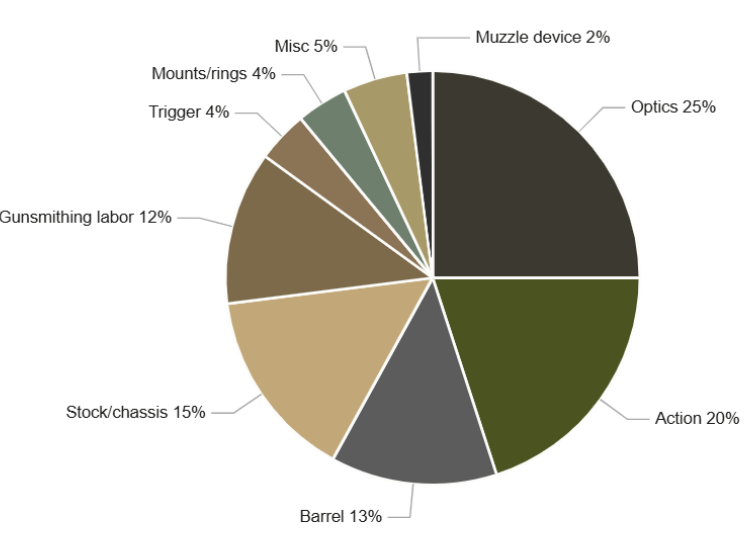
A benefit of building your own rifle is deciding where premium components truly make a difference. Some parts have a significant influence on long-term performance and are often worth the investment. Others provide mostly cosmetic improvements or convenience features that can always be added later. Instead of asking how much each component costs, ask how much value it adds to your intended application. For example, spending more on a premium barrel may provide a noticeable improvement in consistency and barrel life, while spending the same amount on decorative finishes or accessories may have little effect on how the rifle performs. Prioritize the components that directly contribute to accuracy, reliability, and shootability before investing in appearance or optional upgrades. This chart is an example of how you can review your budget.
Be Honest About Your Needs
It’s easy to convince yourself that every premium component is essential. The truth is that most shooters will never notice the difference between several high-end options under normal shooting conditions. If your primary goal is ringing steel on weekends or hunting short distances due to terrain, there’s no need to build a rifle intended for national-level competition. Likewise, if you’re planning to compete seriously or shoot long-range, buying lower-quality components today only to replace them later may cost more in the long run. A realistic assessment of your goals allows you to invest confidently without overspending.
Avoid “Budget Creep”
Budget creep is one of the most common reasons custom rifle projects become far more expensive than originally planned. It usually starts with thoughts like, “It’s only another $150,” “For another $200, I can get the upgraded model,” or “I might as well buy the premium version since I’m already spending this much.” Individually, these upgrades don’t seem significant. Collectively, they can add thousands of dollars to a build. The key is distinguishing between upgrades that genuinely improve performance for your intended use and upgrades that simply sound appealing on paper. A carefully planned mid-range build often outperforms an expensive collection of premium parts chosen without a clear purpose. Remember, the goal is to maximize performance for the money you’re willing to spend. Once those foundational components are in place, additional upgrades can always be made over time.
Don’t Forget Future Costs
Building the rifle is only the beginning. Precision shooting is an ongoing investment. Over time, you’ll likely purchase:
- Match ammunition
- Reloading components
- Replacement barrels
- Additional magazines
- Training courses
- Match entry fees
- Travel expenses
- Maintenance tools
Leaving room in your budget for these continuing costs often provides more long-term value than spending every available dollar on the initial build.
A Well-Planned Budget Reduces Regret
One of the greatest advantages of a custom rifle is knowing every component was selected intentionally. A thoughtful budget helps ensure that each purchase supports your overall goal rather than being driven by impulse, marketing, or fear of missing out. The result is a rifle that’s balanced, practical, and tailored to your needs, not simply the most expensive collection of parts you could assemble. Setting a budget isn’t about limiting your options; it’s about making better decisions.
You’ve Determined Your Budget, Now Determine Your Cartridge
Choosing Your Cartridge First: The Foundation of Building a Custom Precision Rifle
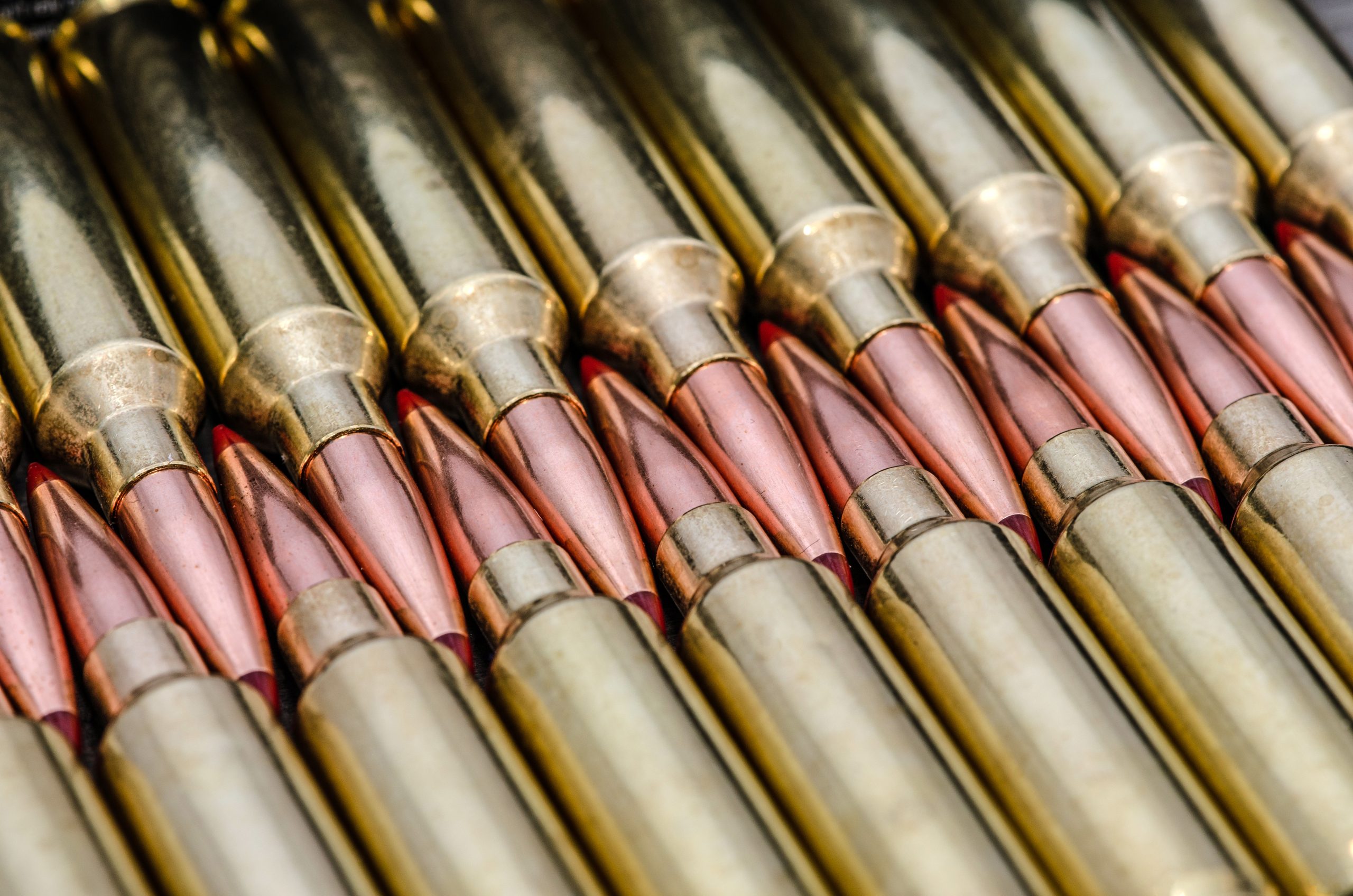
When most people begin planning a custom precision rifle, they start by looking at actions, barrels, stocks, or optics. While those are all exciting components to research, they’re not where the build should begin. The cartridge you choose will influence nearly every other decision you’ll make. From barrel length and twist rate to bolt face size, magazine compatibility, recoil characteristics, barrel life, and ammunition availability, your cartridge serves as the foundation of the entire rifle. Choosing it early ensures every component is designed to work together instead of forcing compromises later in the build.
There Is No “Best” Precision Rifle Cartridge
Every cartridge excels in certain areas while requiring trade-offs in others. Some are designed for minimal recoil, making it easier to spot your strikes and maintain a fast-shooting rhythm. Others prioritize velocity and energy for long-range hunting. Some offer exceptional barrel life and inexpensive factory ammunition, while others maximize ballistic performance at the expense of increased recoil and faster barrel wear. The right cartridge isn’t the one with the highest velocity or flattest trajectory, it’s the one that best supports the rifle’s intended purpose.
Before comparing ballistic charts, ask yourself a few simple questions:
- How far do I realistically expect to shoot?
- Will this rifle primarily be used for hunting, competition, or recreational target shooting?
- Do I reload my own ammunition, or will I rely on factory loads?
- How much recoil am I comfortable managing?
- How important are ammunition cost and availability?
Your answers will narrow the list considerably. Once you’ve selected a cartridge, many of the rifle’s specifications become much easier to define.
Action Length
One of the first considerations is action length, which is determined by the cartridge’s overall length (COAL) and case length. Short-action cartridges accommodate cartridges up to roughly 2.800″–2.960″ COAL, such as the 6.5 Creedmoor or 6mm Creedmoor, typically allowing for lighter, more compact rifles and often providing faster bolt manipulation. Long-action cartridges accommodate cartridges up to roughly 3.340″–3.740″ COAL, such as the .300 Winchester Magnum, and require a longer receiver, generally adding weight while increasing overall rifle length. The practical differences go beyond simply fitting the cartridge. Short actions typically have a bolt throw of about 3.5″–4″ vs. 4.5″ or more for long actions. Receivers are also usually 0.5″–0.9″ shorter on a short action, saving up to 0.5 lb of weight (note that the “short magnum” cartridges split the difference, magnum-level performance packed into a short-action-length case). Some cartridges, like the 6mm/6.5 Creedmoor, were specifically designed to maximize case capacity within short-action constraints for competition use. It is also important to remember that bolt face diameter is a separate spec from action length.
Choosing the wrong action for your cartridge can create compatibility issues before the build even begins.
Bolt Face Compatibility
Different cartridge families require different bolt face dimensions. Many popular precision cartridges share common bolt face sizes, making future barrel changes relatively simple. For example, a rifle on a .480″ bolt face can typically move from .308 Win to 6.5 Creedmoor with just a barrel swap. Moving to a cartridge with a different case head, however, requires a full bolt swap.
Barrel Specifications
Your cartridge also determines important barrel characteristics, including twist rate, chamber dimensions, barrel length, contour, and threading. A cartridge designed to shoot heavy-for-caliber bullets often requires a faster twist rate than one optimized for lighter projectiles.
Chamber Dimensions
SAAMI-spec chambers offer roughly .003″–.006″ neck clearance for broad ammunition compatibility, while tighter “match” chambers may hold clearance to .0005″–.002″ for handloaders. Freebore/throat length is another variable. A longer throat allows bullets to be seated further out for more usable case capacity and to accept heavier-for-caliber bullets, while minimal-freebore chamberings favor tighter tolerances over flexibility.
Barrel Length
Some cartridges achieve excellent performance from shorter barrels, while others require additional length to maximize velocity. For a rough guide, a 6.5 Creedmoor loses about 20–25 fps per inch of barrel removed below 24″, while a magnum such as the .300 Win Mag can lose 30–40+ fps per inch because it burns significantly more powder. Typical barrel lengths by application are:
- Competition – 24″–28″
- Hunting – 20″–24″
Contour
Common barrel contours are Sendero/heavy varmint, about 1.2″–1.25″ at the breech tapering to .85″–.95″ at the muzzle; and lighter sporter options that taper down to about .55″ at the muzzle to save weight. The Sendero barrel can be wrapped in carbon fiber to save weight as well, whereas sporter barrels are made of steel.
Threading
Standard threading for popular calibers:
- 5/8″-24 for 6.5mm–.30 calibers (but also good for smaller calibers if using a big enough diameter barrel)
- 1/2″-28 for 6mm and smaller calibers
- 3/4″-24 for .33 and larger calibers
- M18x1 for some European-pattern actions and some suppressors
Choosing the proper barrel means understanding what your cartridge needs, not simply copying someone else’s rifle.
Barrel Life
Every barrel eventually wears out. Some cartridges are known for exceptional barrel life, allowing thousands of accurate rounds before replacement becomes necessary — for example, .308 Winchester at up to 4,000–6,000 rounds. Others achieve higher velocities by burning significantly more powder relative to bore diameter, accelerating throat erosion and shortening barrel life — for example, 6mm Creedmoor at up to 1,200–1,800 rounds. These figures represent “accuracy life,” the point at which competitive-level precision begins to degrade, not the point at which the barrel stops functioning. Other factors include barrel steel (stainless vs. chrome), cartridge powder capacity relative to bore diameter (the more powder burned, the faster the throat erosion), and accuracy life vs. total life.
For a hunter who fires only a few boxes of ammunition each year, this may never become a concern. For a competitive shooter firing several thousand rounds annually, barrel life can become a major long-term expense. Selecting the right cartridge means balancing performance with expected maintenance costs.
Magazine Selection
Magazine compatibility is another consideration that’s often overlooked. Overall cartridge length, magazine pattern, and feeding geometry all influence magazine selection. While many modern precision rifles use AICS-pattern magazines, not every cartridge feeds equally well from every magazine design.
AICS-pattern COAL limits (the most common precision rifle standard):
- Short Action – up to ~2.96″ COAL (covers .308 Win, 6.5 and 6mm Creedmoor)
- Long Action – up to ~3.74″ COAL (covers .300 Win Mag, 7mm Rem Mag, .300 PRC)
Magazine body width matters as much as length. Cartridges with larger heads, like 6.5 PRC or .300 Short Mag, often need the wide-body version of the AICS even when their COAL fits the standard short-action pattern. Feed geometry must also be considered — cartridges with more body taper or belted cases, such as the 7mm Rem Mag, can experience feeding reliability issues in double-stack magazines if COAL and feed lips are not well matched. Average capacities run 5–10 rounds for short-action magazines and 3–5 rounds for long-action/magnum magazines.
Selecting compatible components from the beginning helps ensure reliable feeding under real-world conditions.
Consider Ammunition Availability
Performance isn’t the only factor worth considering. A cartridge is only practical if you can consistently obtain ammunition or components. Some cartridges are widely available from nearly every ammunition manufacturer, making them an excellent choice for shooters who don’t reload. Others may offer impressive ballistic performance but require handloading or specialty manufacturers to keep the rifle fed. Ask yourself:
- Can I easily find factory ammunition?
- Are multiple bullet weights available?
- Is brass readily available if I reload?
- Can I find load data from reliable sources?
A cartridge that’s difficult to support can quickly become frustrating, regardless of its ballistic advantages.
Recoil Affects More Than Comfort
Many shooters focus primarily on velocity and energy while overlooking recoil. Recoil directly influences how well you can maintain your shooting position, spot your own hits, observe misses, fire rapid follow-up shots, and avoid shooter fatigue during extended practice sessions.
A lighter-recoiling cartridge often helps newer shooters develop better fundamentals while allowing experienced shooters to train longer without excessive fatigue. That doesn’t mean larger cartridges don’t have their place — they absolutely do. But recoil should always be considered alongside the rifle’s intended application.
Let the Cartridge Drive the Build
A custom precision rifle performs best when every component complements the cartridge it’s built around. Rather than forcing a cartridge to fit unrelated parts, begin with the cartridge and allow it to guide your decisions on action length, barrel specifications, magazine selection, bolt configuration, and optics. This systems-based approach results in a rifle that’s more reliable, more efficient, and better suited to its intended purpose.
Quick-Reference Table: Common Precision Rifle Cartridges
| Cartridge | Action Length | COAL | Bolt Face | Typical Twist | Bullet Weight Range | Barrel Life Rounds | Magazine Pattern |
|---|---|---|---|---|---|---|---|
| 6mm Creedmoor | Short | ~2.825″ | .480″ | 1:7.5″ | 105-115gr | ~1,200-1,800 | Short-Action AICS |
| 6.5 Creedmoor | Short | ~2.825″ | .480″ | 1:8″ (1:7″ opt.) | 140-147gr+ | ~2,500-3,500 | Short-Action AICS |
| .308 Winchester | Short | ~2.800″ | .480″ | 1:10″ – 1:11″ | 168-178gr | ~3,000-6,000 | Short-Action AICS |
| 6.5 PRC | Short | ~2.955″ | .550″ | 1:8″ | 140-147gr | ~1,800-2,500 | Short-Action AICS (wide body) |
| .300 Winchester Magnum | Long | ~3.340″ | .550″ | 1:10″ | Up to 220gr | ~1,500-2,500 | Long-Action AICS |
| 7mm Remington Magnum | Long | ~3.290″ | .550″ | 1:9″ – 1:9.5″ | 160-180gr | ~1,800-2,500 | Long-Action AICS |
| .300 PRC | Long | ~3.700″ | .550″ | 1:8.5″ – 1:9″ | 212-230gr | ~1,200-1,800 | Long-Action AICS |
| .338 Lapua Magnum | Long | ~3.681″ | .595″ | 1:9.5″ – 1:10″ | 250-330gr | ~1,500-2,000 | Long-Action AICS |
| .223 Remington | Short | ~2.260″ | .390″ | 1:7″ – 1:12″ (wt. dependent) | 55-77gr | ~3,000-5,000 | Short-Action AICS |
Notes on the table:
- Figures are typical/representative values; exact specs vary by manufacturer, chamber reamer, and barrel maker.
- Barrel life figures represent “accuracy life” (competitive-level precision), not total functional life.
- COAL figures assume standard SAAMI specifications; handloaders often seat differently within magazine-length constraints.
You’ve Determined Your Cartridge, Now Determine Your Components
Why Choosing Your Components Before You Start Building Is Critical to Building a Custom Precision Rifle
As we’ve discussed, one of the greatest advantages of building a custom precision rifle is the ability to choose every component yourself. You’re not limited to the features a manufacturer decided to include, and you can build a rifle that’s tailored to your exact needs. That freedom, however, comes with a responsibility.
Every component in a precision rifle is designed to work as part of a larger system. If you choose parts independently without considering how they interact, you may end up with compatibility issues, unnecessary expenses, or a rifle that doesn’t perform the way you envisioned. Before purchasing your first part, it’s worth taking the time to decide which major components you want to use and, more importantly, why you’ve chosen them.
A Custom Precision Rifle Is a System — Not a Collection of Parts
It’s easy to get caught up comparing actions, barrels, chassis systems, triggers, and accessories individually. Each manufacturer claims to offer the latest innovation or highest level of performance, making it tempting to choose components based solely on reviews or recommendations. The reality is that no single part determines how well a rifle shoots. The best-performing custom rifles are carefully planned systems where every component complements the others.
An exceptional barrel can’t compensate for an action that doesn’t meet your needs. A premium trigger won’t overcome poor ergonomics. The most expensive stock won’t improve accuracy if the barrel or optic selection doesn’t support the rifle’s intended purpose.
Successful builds happen when every component works together toward the same goal.
Create a Build List Before You Buy Anything
Before placing your first order, create a complete parts list. Include every major component, along with notes about compatibility and why you’ve selected each item.
Your list should include:
- Action
- Stock or chassis
- Barrel
- Trigger
- Bottom metal (if applicable)
- Magazine type
- Scope rail
- Scope rings
- Optic
- Muzzle device or suppressor mount
- Bipod
- Sling
- Gunsmithing requirements
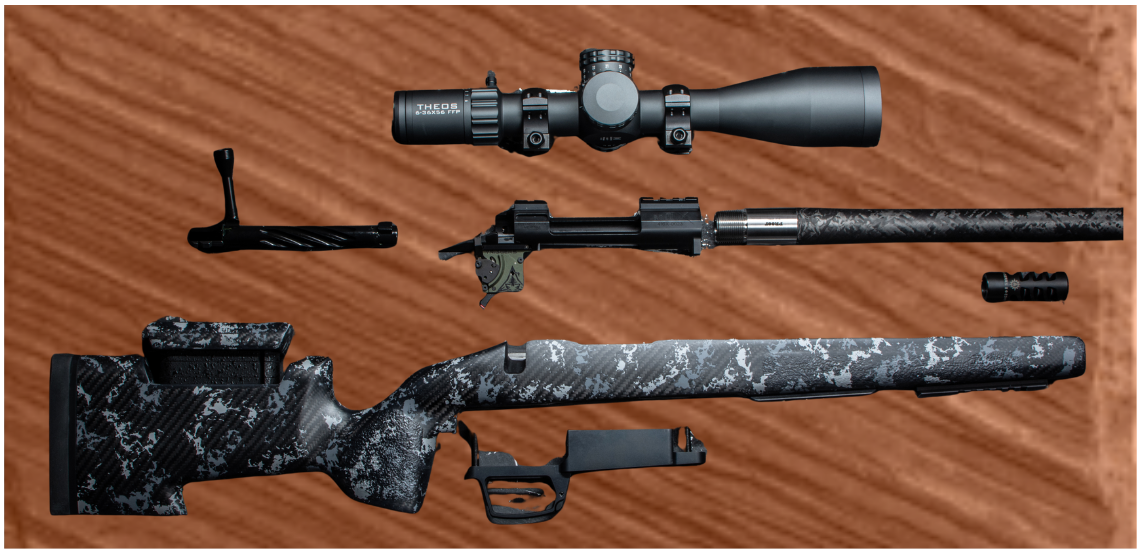
Seeing the complete rifle on paper makes it easier to identify missing parts, compatibility concerns, and unnecessary expenses before they become problems.
Planning Prevents Costly Compatibility Problems
Many components appear universal until you begin assembling the rifle. As you research your build, you’ll quickly discover that compatibility matters. Questions you’ll need to answer include:
- Will this action fit my chosen stock or chassis?
- Is the barrel compatible with my action’s thread pattern?
- Does the trigger work with my action?
- What magazine type does this bottom metal require?
- Will my barrel contour fit the stock?
- Does my optic provide enough clearance with the selected rail, rings, and bolt handle?
- Is the bolt compatible with my cartridge?
Discovering these issues after parts have been ordered often results in expensive returns, delays, or purchasing replacement components. Planning the entire build before spending money helps eliminate those surprises.
Start With the Foundation
Every custom precision rifle is built around several core components.
The Action
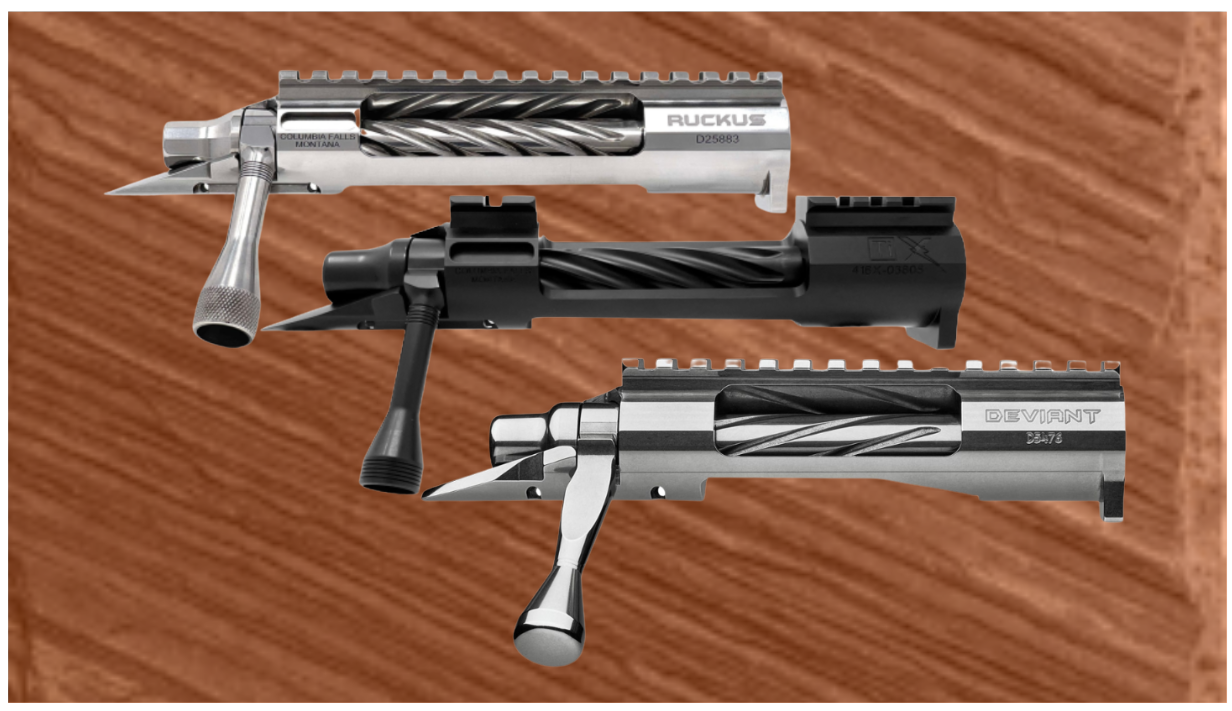
The action serves as the foundation of the rifle. Nearly every other major component interacts with it in some way, including the barrel, trigger, stock or chassis, magazine system, and bolt. Because so many parts depend on the action, it’s often one of the first components builders select. Choosing the right action helps determine the compatibility of everything that follows.
| Spec | Common Values | Why It Matters |
|---|---|---|
| Footprint | Rem 700 SA/LA, Stiller, Defiance, Surgeon | Determines chassis/stock inlet compatibility |
| Bolt Face Diameter | .480″ (standard), .550″ (magnum), .454″ (PPC), .390″ (223) | Must match cartridge case head |
| Recoil Lug Thickness | 0.2″- 0.35″ | Affects bedding and chassis lug recess |
| Tenon Thread | 1.0625″ – 16 TPI (Defiance) | Proper barrel fit |
| Action Screw Spacing | Rem 700: 6.5″ (short), 7.350″ (long) | Must match stock/chassis holes |
The Barrel

The barrel is responsible for guiding the bullet consistently shot after shot. Its length, contour, twist rate, chamber, and threading should all complement your cartridge and intended application. Rather than selecting the barrel based on popularity, choose one that supports the rifle’s purpose.
| Spec | Common Values | Why It Matters |
|---|---|---|
| Receiver Thread | 1.0625″ – 16 (Defiance) | Must match action tenon |
| Muzzle Thread | 5/8″ – 24 (.30 cal and under), 1/2″ – 28 (.223/5.56) | Muzzle device/suppressor fit |
| Twist Rate | 1:10, 1:8, 1:7 (varies by cartridge/bullet weight) | Stabilizes chosen bullet weight |
| Contour | Varies (Sendero, M24, Heavy Palma, etc…) | Must clear stock barrel channel |
| Chamber Reamer | Cartridge-Specific (SAAMI or custom) | Headspace and case fit |
| Length | 16″ – 26″ typical | Velocity vs. maneuverability tradeoff |
The Stock or Chassis
One of the biggest decisions you’ll make is whether to use a stock or a chassis system. Stocks are often lighter and well-suited for hunting applications, while chassis systems typically offer greater adjustability, modularity, and accessory mounting options. Neither is inherently better. The best choice depends entirely on how the rifle will be used.
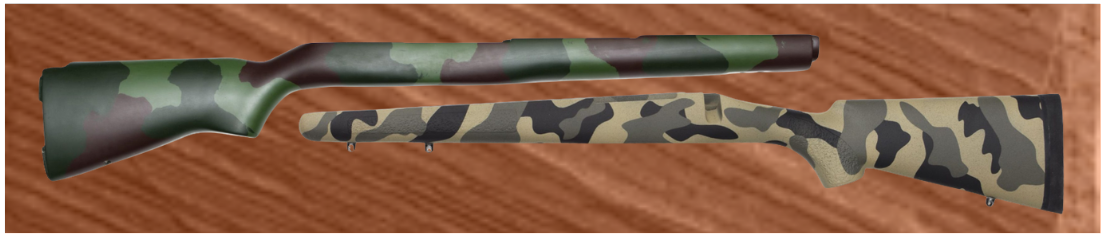
| Spec | Common Values | Why It Matters |
|---|---|---|
| Action Inlet | Matched to specific footprint | Must fit chosen action |
| Barrel Channel | Sendero, Sporter… | Must clear barrel contour (free-float) |
| Accessory Rail | M-LOK, KeyMod, Picatinny | Bipod/accessory mounting |
| Length of Pull | Adjustable range, e.g., 12.5″ – 14.5″ | Shooter fit |
| Bedding Type | Precision inlet aluminum pillar, mini chassis | Repeatable action fit |
The Trigger
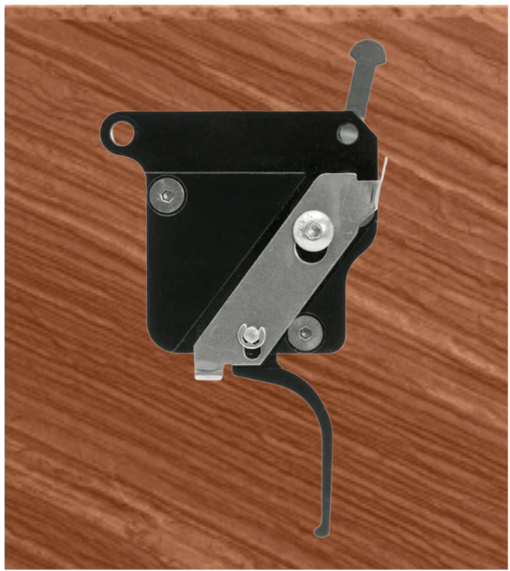
The trigger directly affects how the rifle feels every time you fire it. Pull weight, adjustability, whether it uses an adjustable shoe or not, and reliability all influence shooter confidence and consistency. More importantly, not every trigger is compatible with every action, making compatibility just as important as preference.
| Spec | Common Values | Why It Matters |
|---|---|---|
| Pin Diameter/Spacing | Rem 700:1/8″ pins , standard spacing | Must match action pin holes |
| Pull Weight Range | 0.25 – 4lbs adjustable (varies by model) | Shooter preference/discipline rules |
| Safety Type | Single, bottom, no safety | Compatibility with stock/chassis safety cutout |
| Shoe Width/Length | Varies by manufacturer | Trigger-guard clearance |
The Magazine System
Many new builders overlook the magazine until late in the project. However, magazine compatibility affects:
- Bottom metal selection
- Stock/chassis compatibility
- Cartridge overall length
- Feeding reliability
- Magazine availability
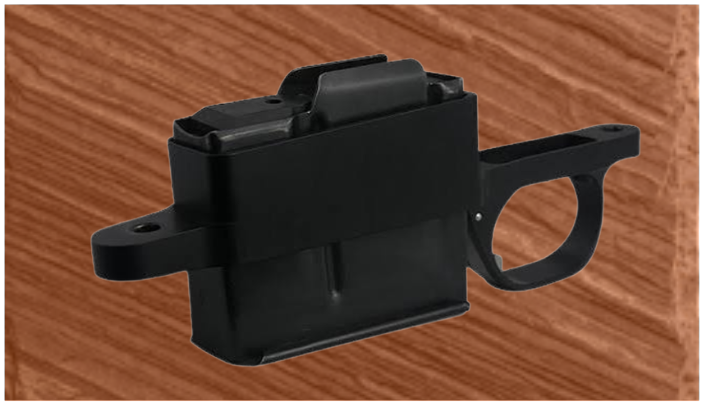
| Spec | Common Values | Why It Matters |
|---|---|---|
| Magazine Pattern | AICS, AI-style, DBM (detachable box), Rem 700 internal | Must match chassis/bottom metal |
| Cartridge OAL Tolerance | Cartridge-specific (e.g., .308 Win ~2.9″ max) | Must fit magazine box length |
| Feed Lip Geometry | Pattern specific | Feeding reliability |
| Latch Type | AICS style paddle, etc… | Stock/chassis compatibility |
The Scope
Scope compatibility affects several interconnected systems. Choosing a high-quality scope that considers action and receiver fit, barrel clearance, and weight and balance allows shooters to confidently engage targets at extended distances.
| Spec | Common Values | Why It Matters |
|---|---|---|
| Rail Cant | 0, 20, 30, 40 MOA | Extends elevation adjustment for long range |
| Screw Pattern | Action-specific (Rem 700 standard 8-40 screws, 2.75″ spacing | Must match action top |
| Ring/Mount Diameter | 30mm, 34mm, 35mm | Must match scope tube |
| Ring Height | Low/medium/high (relates to objective lens diameter) | Barrel/chassis clearance, cheek weld |
| Rail Width | Picatinny 1913 standard (0.83″ width, 0.206″ slot spacing) | Ring compatibility |
The Muzzle/Supressor
Selecting the right muzzle device or suppressor can significantly enhance a precision rifle’s performance by reducing recoil, minimizing muzzle movement, and improving shooter comfort.
| Spec | Common Values | Why It Matters |
|---|---|---|
| Thread Pitch | 5/8″-24, 1/2″-28, M18x1.5 | Must match barrel muzzle threads |
| Timing | Manufacturer-specific shoulder/index | Proper alignment of ports/baffles |
| Mount Type | Direct-thread, QD (quick-detach) | Suppressor compatibility |
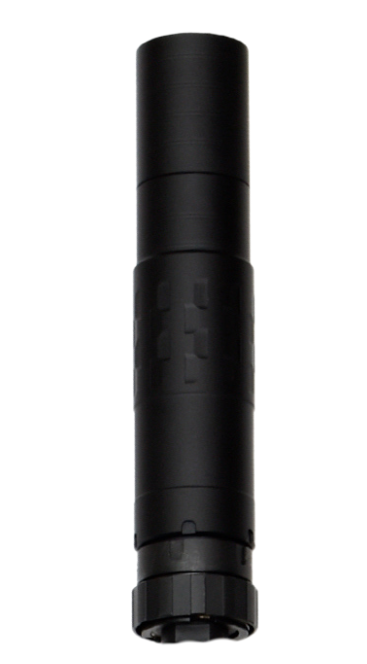
The Bipod
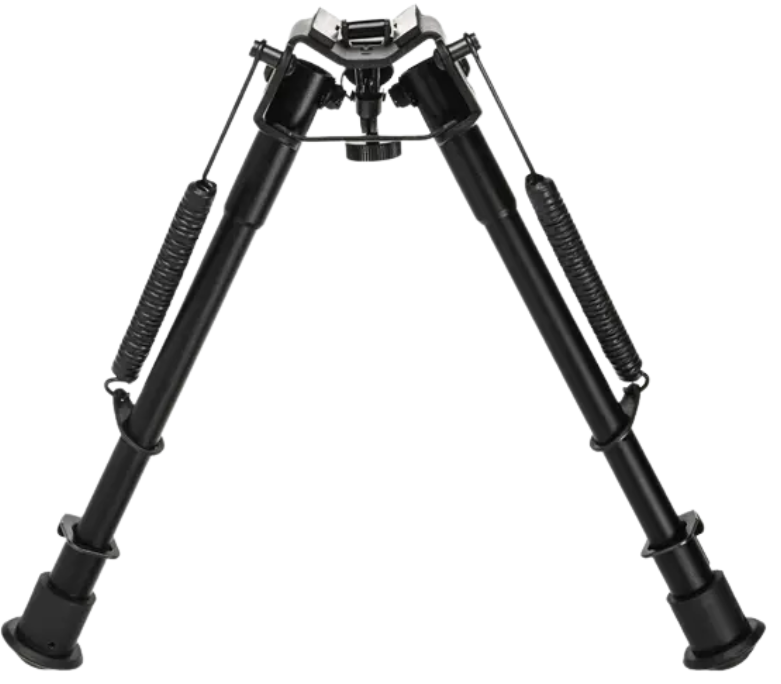
Choosing a bipod with the right height, durability, and adjustment features ensures consistent support across a variety of shooting positions and terrain.
| Spec | Common Values | Why It Matters |
|---|---|---|
| Attachment Type | M-LOK, Picatinny, spigot (AI-style) | Must match fitting accessory |
| Leg Length Range | 6″–25″+ depending on model | Must support intended use |
Think Beyond Individual Components
It’s natural to compare products one at a time. You might spend weeks researching the perfect action before moving on to barrels, then triggers, then stocks. A better approach is to evaluate how those parts work together.
Ask yourself questions like:
- Does this action support the barrel options I want?
- Will this stock accept my preferred barrel contour?
- Does this trigger fit the action without modification?
- Will my magazine reliably feed the cartridge I’ve selected?
- Does this stock provide the ergonomics I need for my shooting style?
Thinking in terms of complete systems rather than individual parts leads to more reliable builds and fewer surprises.
Leave Room for Future Upgrades
Another advantage of many custom rifle platforms is their ability to evolve. As your skills improve or your interests change, you may want to replace components such as:
- Barrels
- Triggers
- Stocks/chassis systems
- Muzzle devices
- Optics
- Bipods
Choosing components that follow common industry standards can make future upgrades easier and less expensive. Planning with long-term flexibility in mind helps protect your investment.
The most successful custom precision rifles aren’t built one part at a time. They’re designed as complete systems from the very beginning, with each component selected to complement the others and support the rifle’s intended mission.
You’ve Determined Your Components, Now Determine Your Builder
Why Choosing the Right Rifle Builder Is One of the Most Important Decisions You’ll Make
Building a custom precision rifle is about far more than selecting premium components. You can purchase the best action, barrel, trigger, stock, and optic on the market, but if those components aren’t properly assembled, fitted, and tested, the rifle may never perform to its full potential. The difference between an average rifle and an exceptional one often comes down to details that most shooters never see — action screws torqued to a consistent 55–65 in-lbs (always check the specific manufacturer’s spec, as this varies), or headspace set within the standard go/no-go gauge tolerance, typically a few thousandths of an inch difference, as just a couple of examples. These aren’t glamorous topics, but they are often the reason one rifle performs flawlessly while another becomes a source of frustration. That’s why choosing the right rifle builder is just as important as choosing the right parts. A custom rifle is only as good as the craftsmanship behind it. The builder is the person who transforms the individual components into a complete precision shooting system.
A Custom Precision Rifle Is More Than an Assembly Project
There’s a common misconception that building a custom precision rifle simply involves screwing together quality parts. While today’s pre-fit barrels and modern actions have made custom builds more accessible than ever, building a truly exceptional rifle still requires careful planning, attention to detail, and an understanding of how every component works together. An experienced rifle builder doesn’t just install parts. They evaluate compatibility, identify potential issues before they become problems, and ensure every component contributes to the rifle’s intended purpose. That’s the difference between assembling a rifle and building one.
Experience Matters
Precision rifles operate with extremely tight tolerances. Small mistakes during assembly can lead to problems such as poor feeding, extraction issues, inconsistent accuracy, premature component wear, loose optics, improper headspace, or reliability problems. An experienced builder has likely encountered these issues before and knows how to prevent or correct them before the rifle ever reaches the customer. That experience often saves far more time and money than trying to fix problems after the rifle is complete. Most experienced builders target sub-MOA accuracy at 100 yards as a baseline expectation for a properly assembled precision rifle, with many pushing for half-MOA depending on the action, barrel, stock, and ammunition involved. Even a properly assembled rifle can throw an occasional flyer that has nothing to do with the shooter. If you’ve chased one down before, our breakdown of the four factors behind unexplained flyers walks through where to look first.
The Best Builders Ask Questions Before Recommending Parts
One of the clearest signs of a quality rifle builder is that they spend more time asking questions than selling components. Rather than immediately recommending a specific action or barrel, they want to understand:
- What will the rifle primarily be used for?
- What cartridge are you planning to shoot?
- What’s your budget?
- Will you hunt, compete, or shoot recreationally?
- Do you reload?
- Are you planning to run a suppressor?
- What’s your experience level?
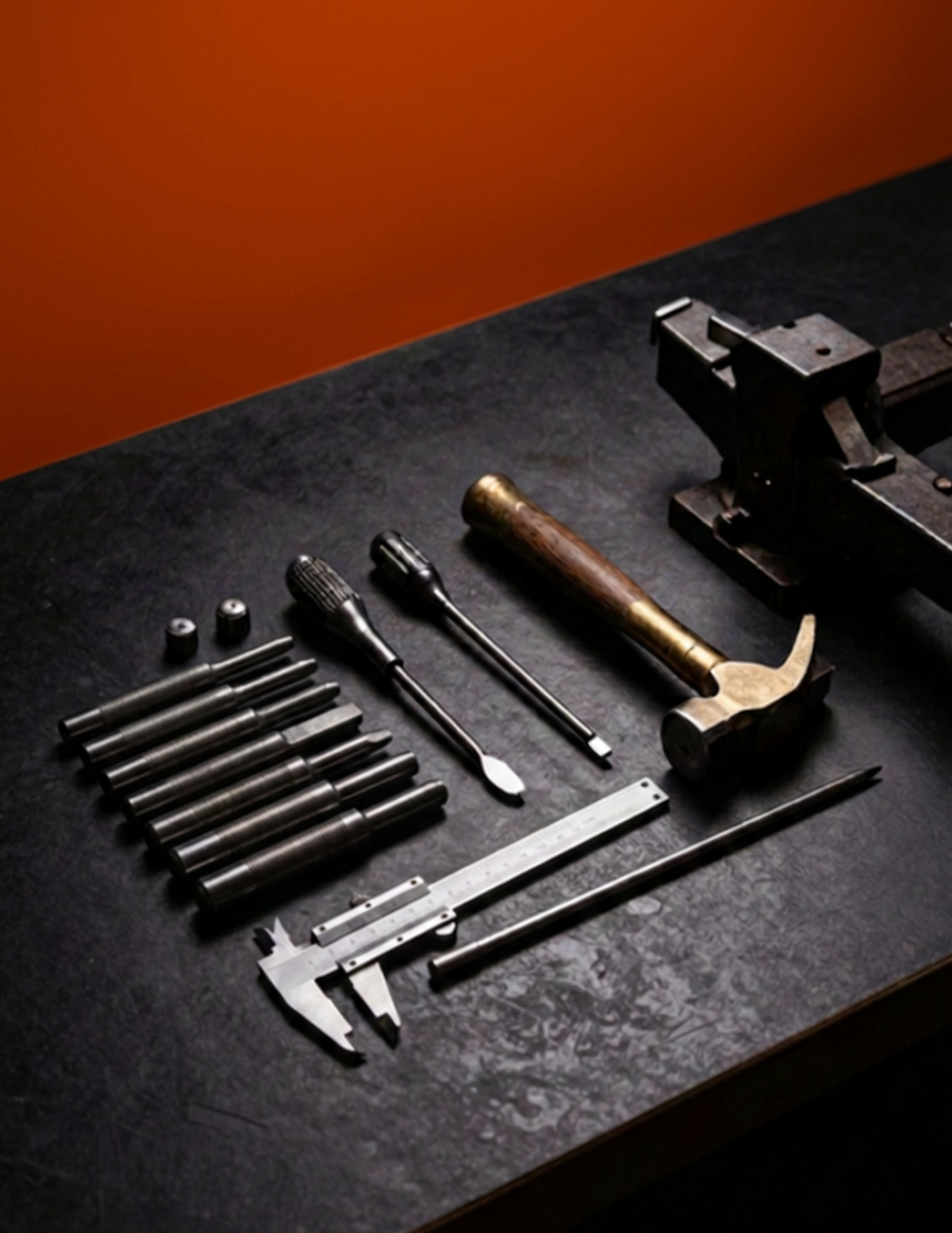
These conversations help ensure the finished rifle is built around your needs, not around whatever components happen to be popular or available quickly. If a builder recommends an identical setup to every customer without learning about their goals, that’s a sign they’re selling products instead of designing solutions.
Compatibility Is More Complicated Than It Appears
Many builders discover compatibility issues only after they’ve purchased their components. An experienced rifle builder understands how all of the major systems interact, including:
- Action and barrel compatibility – thread pitch and shank diameter must match the action.
- Bolt face requirements – common bolt face diameters include .480″ (standard), .550″ (magnum), and .390″ (223), and using the wrong one prevents proper cartridge alignment.
- Muzzle threading – common threads include 5/8-24 (6.5mm–.30 cal) and 1/2-28 (most .22 and 6mm bores); mismatched threading means a suppressor or muzzle brake simply will not fit.
- Trigger compatibility – pin diameter and trigger housing dimensions must match the action’s specifications.
- Chassis or stock fitment – inlet dimensions must match the specific action footprint, barreled action contour, and recoil lug thickness.
- Magazine selection – magazine well dimensions and feed lip geometry must match both the action and the cartridge.
- Scope rail specifications – rail screw spacing and Picatinny/20-MOA cant options must match the action’s top.
Identifying these details, as well as many others, before ordering parts helps avoid expensive mistakes and unnecessary delays.
Good Builders Help You Avoid Expensive Mistakes
One of the greatest benefits of working with an experienced builder is learning what not to buy. Every year, new products are introduced that promise better accuracy, lighter weight, or improved performance. Some deliver meaningful improvements; others offer very little practical benefit for most shooters. A knowledgeable builder can help you distinguish between upgrades that genuinely improve your rifle and those that simply increase the final price. That guidance often results in a better rifle while staying within your budget.
Communication Is Just as Important as Craftsmanship
Technical ability is essential, but communication is equally important. A quality builder should be willing to explain:
- Why they recommend certain components
- Alternative options worth considering
- Expected turnaround times
- Accuracy expectations
- Maintenance requirements
- Future upgrade possibilities
Building a custom rifle is a collaborative process. The best builders educate their customers instead of simply handing them a finished product.
Before Selecting a Builder
Look for evidence of long-term customer satisfaction. Consider questions such as:
- How long have they been building precision rifles?
- Do they specialize in custom rifles or build them occasionally?
- Are customers returning for additional builds?
- Do they provide support after the sale?
- Are they known for solving problems or creating them?
You’re Building a Long-Term Relationship
Many shooters eventually replace barrels, upgrade optics, change cartridges, or modify their rifles as their skills develop. Choosing the right builder means having someone who already understands your rifle and can help guide future upgrades. That long-term relationship can be just as valuable as the initial build itself. Instead of starting over with someone new every time you make a change, you’ll have a trusted resource who knows your rifle’s history and your shooting goals.
When you’re investing in a custom precision rifle, the quality of the builder is every bit as important as the quality of the components. Choose wisely, and you’ll end up with more than a great rifle — you’ll gain a trusted partner for every future build and upgrade.
Build with a Plan, Not Just a Parts List
Building a custom precision rifle is one of the most rewarding projects a shooter can undertake, but success begins long before the first component is ordered. By defining your rifle’s primary purpose, establishing a realistic budget, selecting the right cartridge, choosing compatible components, and partnering with an experienced rifle builder, you’re creating a clear roadmap that eliminates guesswork and costly mistakes.
The best custom rifles aren’t necessarily the most expensive or the ones with the latest accessories. They’re the rifles that were thoughtfully designed from the ground up, with every component selected to support a specific mission. When each decision builds upon the last, the finished product becomes more than just a collection of premium parts — it becomes a precision shooting system tailored specifically to your needs.
Take your time, do your research, and don’t be afraid to ask questions. A well-planned build will provide years of reliable performance, confidence behind the rifle, and the satisfaction that comes from knowing every component was chosen for a reason. Whether you’re building your first custom precision rifle or your fifth, thoughtful planning will always be your greatest advantage.
Grant’s seen this play out from both sides, as the guy behind the bench and the guy customers call when a build doesn’t come together the way they planned. His advice hasn’t changed in twenty years: plan the system, not the parts list.
About the Author

Grant has spent 18 years earning the right to talk about precision rifles. He started as an apprentice under a dangerous game rifle builder, cut his teeth as a gunsmith at Montana Rifle Company, and has been part of the Defiance team for over 10 years. On top of that, he’s run his own shop, Wonders Gun Works, for the last 6.
Eight hundred rifles chambered and built. Twenty years competing in long range. That’s not a resume line, that’s a track record.
At Defiance, Grant is Quality Assurance Manager. Every action that leaves the building is held to his standard, and when something’s not right, he’s the one who tracks down the cause and makes it right with the customer. He’s also worked hand in hand with R&D, most recently helping design the control round feed extractor and ejector system, a setup that will push feed a round even when things go sideways, built specifically with dangerous game hunting in mind.
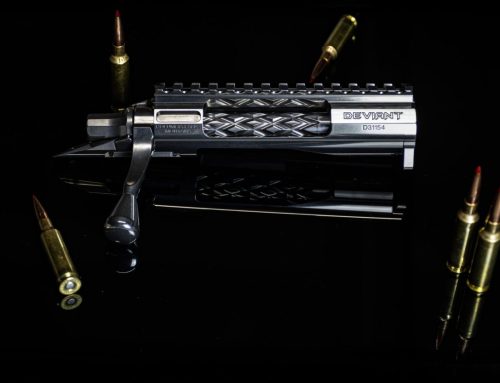
He shoots what he builds. A Defiance anTi X for NRL Hunter, a Deviant Elite for PRS. “I have almost one of every action we have to offer.”
Grant doesn’t write from a forum thread or a YouTube script. He writes from two decades behind the trigger and a career spent making sure other people’s rifles work exactly the way they’re supposed to.